How are AI tools making life easier specifically for business owners.
Artificial Intelligence (AI) has revolutionized the way we live and work. With advancements in technology, AI tools have become increasingly sophisticated, making our lives easier and more efficient. From simplifying mundane tasks to enhancing decision-making processes, AI tools have proven to be invaluable in various industries.
Automating Repetitive Tasks
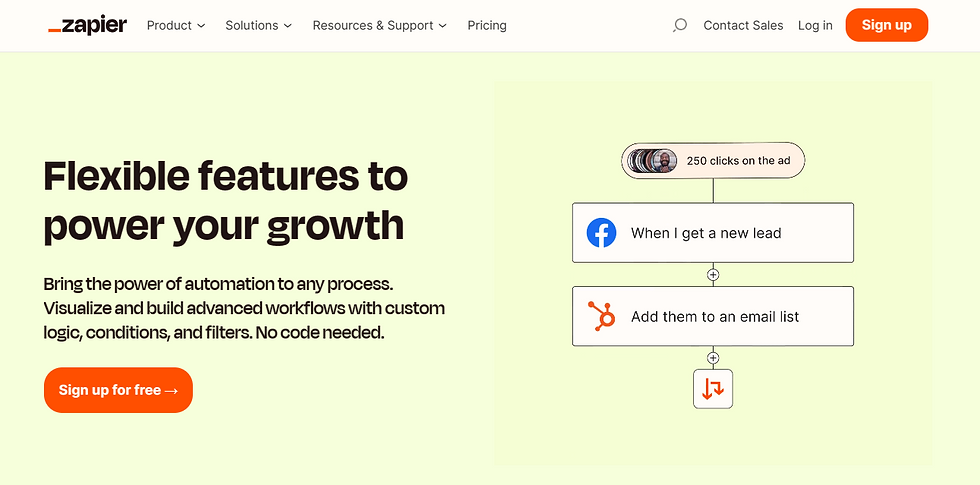
One of the significant benefits of AI tools is their ability to automate repetitive tasks. Whether it's data entry, scheduling appointments, or responding to emails, AI-powered software can handle these mundane tasks, freeing up time for more complex and strategic work. For example, tools like Zapier and Make.com allow users to create automated workflows, eliminating the need for manual intervention.
Enhancing Customer Service
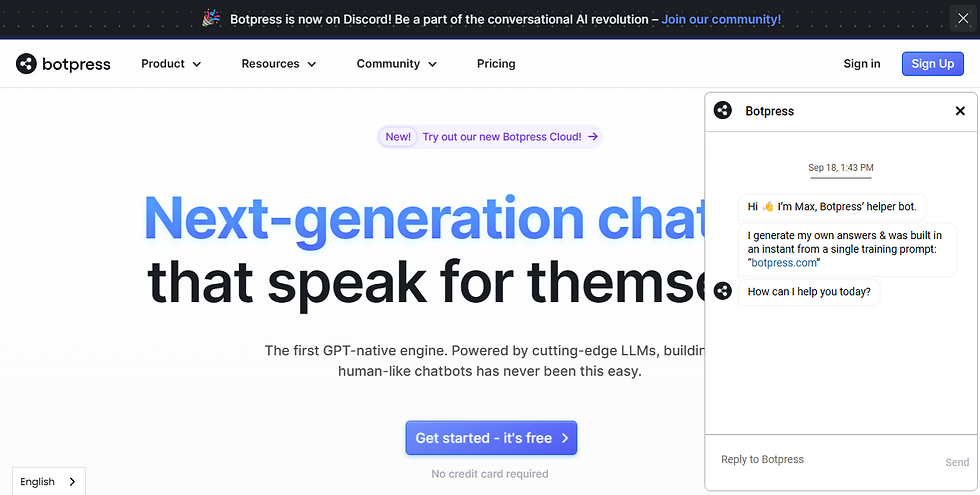
AI tools have also made significant strides in improving customer service experiences. Chatbots, for instance, are AI-powered virtual assistants that can handle customer queries and provide instant support. They can understand natural language, analyze customer data, and offer personalized recommendations. With chatbots, businesses can provide round-the-clock support, ensuring customer satisfaction and reducing response times. Tools like Botpress and Voiceflow are revolutionizing the way businesses can implement these chatbots into their systems.
Streamlining Decision-Making
AI tools have proven to be invaluable in streamlining decision-making processes. By analyzing vast amounts of data, AI algorithms can identify patterns, trends, and insights that humans may overlook. This enables businesses to make data-driven decisions quickly and accurately. Tools like Tableau and Power BI help visualize complex data sets, making it easier for decision-makers to understand and act upon the information.
Improving Healthcare
In the healthcare industry, AI tools have made significant advancements in diagnosis, treatment, and patient care. Machine learning algorithms can analyze medical records and images to detect diseases and provide accurate diagnoses. AI-powered robotic surgery systems assist surgeons in performing complex procedures with precision and minimal invasiveness. Additionally, wearable devices equipped with AI can monitor patients' health in real-time, alerting healthcare professionals to potential issues.
Personalizing Marketing Campaigns
AI tools have transformed the way businesses approach marketing. By analyzing customer data and behavior, AI algorithms can create personalized marketing campaigns that resonate with individual preferences. This enables businesses to deliver targeted content, offers, and recommendations, increasing customer
engagement and conversion rates. Tools like Adobe Target and Optimizely use AI to optimize website experiences, ensuring visitors see the most relevant content.
Efficient Data Analysis
Handling and analyzing vast amounts of data can be time-consuming and challenging for humans. AI tools have revolutionized data analysis by automating the process and providing actionable insights. Machine learning algorithms can identify patterns, correlations, and anomalies in data sets, helping businesses make informed decisions. Tools like Google Analytics and IBM Watson offer powerful AI capabilities for data analysis, making it easier to extract valuable information from complex data.
Automated Translations
In an increasingly globalized world, AI tools have made communication across languages more accessible. Automated translation tools like Google Translate and Microsoft Translator use AI algorithms to provide instant translations of text, speech, and even images. This has not only facilitated international business transactions but also enabled seamless communication between individuals from different linguistic backgrounds.
AI tools have undoubtedly made our lives easier by automating tasks, enhancing customer service, streamlining decision-making, improving healthcare, personalizing marketing campaigns, enabling efficient data analysis, and automating translations. As technology continues to advance, we can expect AI tools to become even more sophisticated, further transforming the way we live and work.



Comments